Tag - manufacturing ERP software companies in India

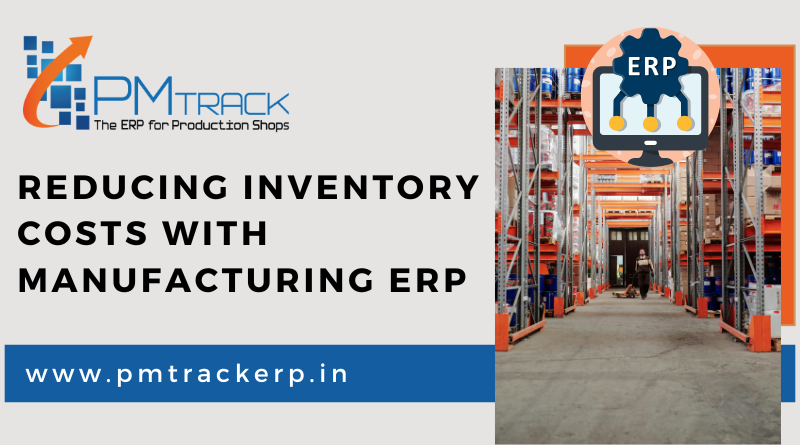
Reducing Inventory Costs with Manufacturing ERp

Reducing Inventory Costs with Manufacturing ERP

Managing inventory efficiently is one of the biggest challenges faced by manufacturing businesses. Excess inventory ties up valuable capital, while insufficient stock can lead to production delays, missed deadlines, and dissatisfied customers. In today’s competitive manufacturing environment, companies need a smarter approach to inventory management. This is where Manufacturing ERP solutions play a crucial role.

A modern ERP system helps manufacturers gain complete visibility into inventory levels, streamline procurement, optimize production planning, and reduce unnecessary costs. Businesses looking for a reliable Manufacturing ERP Software company in Pune are increasingly adopting advanced ERP solutions to improve operational efficiency and profitability.

Understanding Inventory Costs in Manufacturing

Inventory costs extend beyond simply purchasing raw materials. Manufacturers incur several expenses related to inventory management, including:

  • Storage and warehousing costs
  • Insurance expenses
  • Inventory carrying costs
  • Obsolescence and spoilage losses
  • Handling and transportation costs
  • Stockout and shortage costs

When inventory is not managed properly, these expenses can significantly impact a company’s bottom line. Traditional inventory tracking methods often lead to inaccuracies, overstocking, and inefficient resource allocation.

This is why many businesses are turning to Manufacturing ERP software companies that provide integrated systems capable of managing inventory in real time.

In this blog, we will explore how Manufacturing ERP software reduces inventory costs through real-time stock visibility, demand forecasting, optimized procurement, and efficient inventory management.

How Manufacturing ERP Helps Reduce Inventory Costs

1. Real-Time Inventory Visibility

One of the major advantages of ERP systems is real-time inventory monitoring. Manufacturing companies can instantly track raw materials, work-in-progress items, and finished goods across multiple locations.

This visibility helps businesses:

  • Prevent overstocking
  • Reduce inventory shortages
  • Improve stock accuracy
  • Minimize manual errors

With accurate inventory data, decision-makers can make informed purchasing and production decisions that reduce unnecessary inventory costs.

2. Improved Demand Forecasting

Forecasting demand accurately is essential for maintaining optimal inventory levels. A Manufacturing ERP system analyzes historical sales data, market trends, seasonal demand patterns, and customer orders to generate reliable forecasts.

Benefits include:

  • Better production planning
  • Reduced excess inventory
  • Lower storage costs
  • Improved customer satisfaction

Leading ERP Software Companies in Pune offer forecasting tools that help manufacturers align inventory levels with actual market demand.

3. Automated Procurement Management

Manual procurement processes often result in duplicate orders, delayed purchases, and inventory imbalances. ERP systems automate procurement workflows by generating purchase requisitions and purchase orders based on predefined stock levels.

Automation helps manufacturers:

  • Maintain optimal stock levels
  • Reduce procurement delays
  • Eliminate unnecessary purchases
  • Improve supplier management

As a result, companies can significantly reduce carrying costs and improve cash flow.

4. Optimized Production Planning

Inventory and production planning are closely connected. Without proper planning, manufacturers may either run out of materials or accumulate excess stock.

Manufacturing ERP solutions integrate inventory management with production scheduling to ensure the right materials are available at the right time.

This enables manufacturers to:

  • Reduce idle inventory
  • Improve production efficiency
  • Minimize material wastage
  • Meet delivery deadlines consistently

Many businesses choose ERP Software services in Pune specifically to improve coordination between inventory and production departments.

5. Better Warehouse Management

Warehouse inefficiencies can increase inventory holding costs and lead to stock discrepancies. ERP systems provide advanced warehouse management capabilities that streamline inventory movement and storage.

Key features include:

  • Barcode integration
  • Batch tracking
  • Location management
  • Stock movement monitoring
  • Automated inventory audits

These capabilities help manufacturers improve warehouse utilization and reduce operational expenses.

6. Inventory Optimization Through Data Analytics

ERP systems generate detailed reports and analytics that provide valuable insights into inventory performance.

Manufacturers can analyze:

  • Fast-moving products
  • Slow-moving inventory
  • Dead stock
  • Inventory turnover ratios
  • Supplier performance

Using this information, businesses can make strategic decisions that improve inventory efficiency and reduce unnecessary costs.

7. Reduced Material Wastage

Material wastage directly impacts profitability in manufacturing operations. ERP systems help monitor raw material usage, production losses, and scrap generation throughout the manufacturing process.

Benefits include:

  • Better material tracking
  • Reduced production waste
  • Improved quality control
  • Lower manufacturing costs

Manufacturers gain greater control over resource utilization, leading to significant cost savings over time.

8. Enhanced Supplier Management

Suppliers play a critical role in inventory management. ERP systems maintain comprehensive supplier databases and track vendor performance based on delivery timelines, pricing, and quality metrics.

This allows manufacturers to:

  • Select reliable suppliers
  • Negotiate better pricing
  • Reduce procurement risks
  • Improve inventory availability

Strong supplier relationships contribute directly to reduced inventory costs and better operational efficiency.

Business Benefits of Reducing Inventory Costs

Implementing a Manufacturing ERP system provides several long-term benefits, including:

Increased Cash Flow

Lower inventory carrying costs free up working capital that can be invested in growth initiatives, technology upgrades, and business expansion.

Improved Productivity

Automation eliminates repetitive manual tasks, allowing employees to focus on higher-value activities.

Better Customer Satisfaction

Accurate inventory planning ensures timely order fulfillment and improved customer service.

Higher Profitability

Reducing excess inventory, waste, and procurement inefficiencies directly contributes to increased profit margins.

Scalability

As businesses grow, ERP systems can easily support expanding operations without requiring major process changes.

Choosing the Right Manufacturing ERP Partner

Selecting the right ERP provider is essential for achieving maximum results. Businesses should look for a Manufacturing ERP Software company in Pune that understands industry-specific challenges and offers scalable, customizable solutions.

Key factors to consider include:

  • Industry expertise
  • Customization capabilities
  • User-friendly interface
  • Integration options
  • Technical support
  • Future scalability

Partnering with experienced Manufacturing ERP software companies ensures successful implementation and long-term business value.

How PMTRACK ERP Helps

As a leading Manufacturing ERP Software solution, it helps manufacturers streamline operations, optimize inventory management, and reduce operational costs. The platform offers real-time inventory tracking, intelligent production planning, automated procurement processes, and advanced analytics to support data-driven decision-making.

Manufacturers can accurately monitor stock levels, minimize excess inventory, reduce material wastage, and improve warehouse efficiency. By integrating inventory, procurement, production, finance, and sales into a unified system, it ensures seamless information flow across all departments.

Its powerful forecasting and reporting capabilities enable businesses to predict demand more accurately and maintain optimal inventory levels. With improved visibility and control over manufacturing processes, companies can lower carrying costs, enhance cash flow, increase productivity, and drive sustainable profitability.

Conclusion

Effective inventory management is essential for maintaining profitability and ensuring smooth manufacturing operations. Challenges such as excess stock, storage expenses, material wastage, and inaccurate inventory records can significantly impact business performance. A modern Manufacturing ERP solution empowers manufacturers with real-time inventory tracking, automated purchasing, accurate demand forecasting, and streamlined production planning, helping them reduce costs and improve operational efficiency.

As competition continues to grow, investing in the right ERP technology can provide better control, improved productivity, and long-term business growth. PMTRACK ERP helps manufacturers optimize inventory management, enhance resource utilization, and make data-driven decisions. Contact our team today to discover how a tailored ERP solution can transform your manufacturing operations and support sustainable success.


Posted By Category: ERP Software
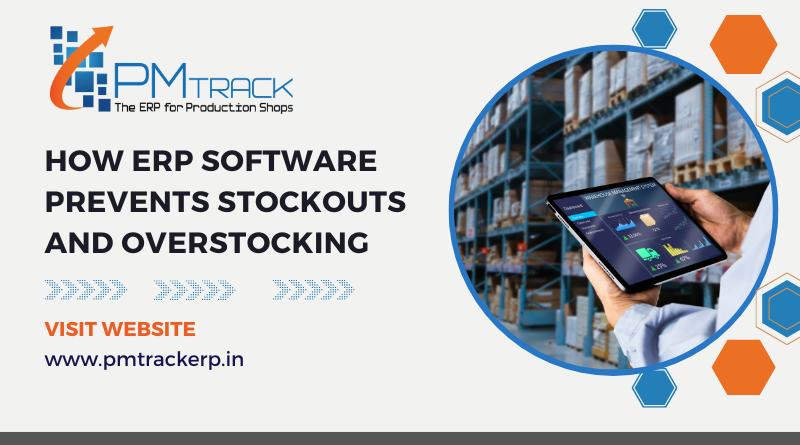
ERP Software Prevents Stockouts and Overstocking

How ERP Software Prevents Stockouts and Overstocking

Managing inventory efficiently is one of the biggest challenges for manufacturing businesses. Having too little stock can halt production and delay customer deliveries, while having too much inventory can tie up valuable capital and increase storage costs. This delicate balance is where ERP software plays a crucial role.

Many manufacturers still rely on spreadsheets or disconnected systems to track inventory, which often leads to inaccurate stock records, forecasting errors, and costly inventory issues. By implementing a robust ERP solution, businesses can gain real-time visibility into inventory levels, automate stock management processes, and make data-driven decisions.

As a leading Manufacturing ERP Software company in Pune, PMTRACK ERP helps manufacturers streamline inventory management, reduce operational costs, and maintain optimal stock levels. In this article, we’ll explore how ERP software prevents stockouts and overstocking and why it has become an essential tool for modern manufacturers.

Understanding Stockouts and Overstocking

What Are Stockouts?

A stockout occurs when a company runs out of inventory needed to fulfill customer orders or continue production. This can result in:

  • Delayed deliveries
  • Production downtime
  • Lost sales opportunities
  • Reduced customer satisfaction
  • Damage to brand reputation

For manufacturing companies, stockouts can be particularly costly because a shortage of even a single raw material can stop an entire production line.

What Is Overstocking?

Overstocking happens when a business holds more inventory than necessary. While having extra stock may seem safer, excessive inventory creates several challenges:

  • Increased warehouse costs
  • Higher insurance expenses
  • Inventory obsolescence
  • Cash flow issues
  • Reduced operational efficiency

Finding the right inventory balance is critical for long-term business success.

Why Inventory Management Challenges Occur

Many manufacturers face inventory issues due to:

  • Inaccurate inventory tracking
  • Poor demand forecasting
  • Manual data entry errors
  • Lack of real-time inventory visibility
  • Delayed communication between departments
  • Inefficient procurement planning

This is why businesses increasingly turn to Manufacturing ERP software companies in India for integrated inventory management solutions.

How ERP Software Prevents Stockouts

1. Real-Time Inventory Visibility

One of the biggest advantages of ERP software is real-time inventory tracking.

ERP systems continuously update inventory data whenever materials are received, consumed, transferred, or shipped. This provides complete visibility into:

  • Raw materials
  • Work-in-progress inventory
  • Finished goods
  • Warehouse stock levels

Managers can instantly identify low-stock items and take corrective action before shortages occur.

2. Automated Reorder Alerts

Manual inventory monitoring often leads to missed replenishment opportunities.

ERP software automatically generates alerts when stock reaches predefined reorder levels. This helps procurement teams:

  • Place orders on time
  • Avoid emergency purchases
  • Maintain uninterrupted production

Automated notifications ensure critical materials are always available when needed.

3.Demand Forecasting

Accurate forecasting is essential for inventory planning.

ERP software analyzes historical sales data, production trends, and customer demand patterns to generate reliable forecasts.

Benefits include:

  • Improved procurement planning
  • Better production scheduling
  • Reduced risk of stock shortages
  • Enhanced inventory accuracy

Manufacturers can proactively prepare for seasonal demand fluctuations and market changes.

4. Production Planning Integration

Inventory management becomes far more effective when integrated with production planning.

ERP systems connect inventory data directly with manufacturing schedules, allowing businesses to:

  • Calculate material requirements accurately
  • Plan procurement activities efficiently
  • Ensure materials are available before production starts

This synchronization significantly reduces stockout risks.

5.Supplier Management

ERP software maintains detailed supplier information, including:

  • Lead times
  • Delivery performance
  • Purchase history
  • Pricing records

This helps procurement teams make informed purchasing decisions and avoid delays caused by unreliable suppliers.

How ERP Software Prevents Overstocking

1. Accurate Inventory Forecasting

Overstocking often results from poor demand predictions.

ERP software uses data-driven forecasting methods to estimate future inventory requirements accurately.

This enables businesses to:

  • Purchase only necessary quantities
  • Avoid excess inventory accumulation
  • Improve cash flow management

2. Inventory Optimization

ERP systems help manufacturers establish optimal inventory levels for every item.

The software calculates:

  • Safety stock
  • Minimum stock levels
  • Maximum stock levels
  • Reorder points

By maintaining inventory within predefined ranges, businesses can reduce carrying costs while ensuring material availability.

3. Better Procurement Planning

Without proper planning, companies often place large orders to avoid stockouts.

ERP software provides detailed inventory insights, allowing procurement teams to order the right quantity at the right time.

This prevents:

  • Excess stock purchases
  • Unnecessary warehouse occupancy

Manufacturers with multiple warehouses frequently face inventory imbalances.

ERP software offers centralized inventory visibility across all locations.

Benefits include:

  • Inventory redistribution
  • Reduced duplicate purchases
  • Improved stock utilization
  • Lower storage costs

4. Inventory Aging Analysis

Slow-moving and obsolete inventory can significantly impact profitability.

ERP systems identify:

  • Aging inventory
  • Dead stock
  • Slow-moving items

This allows businesses to take corrective actions such as promotional sales, stock transfers, or procurement adjustments.

Benefits of ERP-Driven Inventory Management

Implementing ERP software delivers numerous advantages beyond stock control:

Reduced Inventory Costs

Businesses can minimize carrying costs, storage expenses, and inventory losses.

Improved Cash Flow

Lower inventory investments free up working capital for business growth.

Enhanced Customer Satisfaction

Maintaining optimal stock levels ensures timely order fulfillment and better customer experiences.

Increased Production Efficiency

Manufacturers avoid costly production delays caused by material shortages.

Better Decision Making

Real-time dashboards and reporting tools provide actionable insights for inventory optimization.

These benefits explain why many organizations are partnering with Manufacturing ERP software companies in India to modernize their inventory management processes.

How PMTRACK ERP Helps

As one of the trusted ERP Software companies in Pune, PMTRACK ERP provides a comprehensive manufacturing ERP solution designed specifically for inventory-intensive industries.

Real-Time Inventory Tracking

PMTRACK ERP offers complete visibility into inventory movement across warehouses, production facilities, and supply chains.

Smart Reorder Management

Automated reorder alerts help businesses maintain ideal stock levels while preventing shortages.

Production and Inventory Integration

The system seamlessly connects production planning with inventory management to ensure material availability at every stage of manufacturing.

Advanced Demand Forecasting

PMTRACK ERP uses historical business data to support accurate forecasting and inventory planning.

Multi-Location Inventory Control

Manufacturers can monitor and manage inventory across multiple warehouses through a centralized dashboard.

Inventory Analytics and Reporting

Comprehensive reports provide valuable insights into:

  • Stock consumption
  • Inventory valuation
  • Aging inventory
  • Procurement efficiency
  • Material utilization

As a leading Manufacturing ERP Software company in Pune, PMTRACK ERP empowers manufacturers to improve inventory accuracy, reduce costs, and enhance operational efficiency.

Conclusion

Inventory management is a critical factor in manufacturing success. Both stockouts and overstocking can negatively impact profitability, customer satisfaction, and operational performance. Modern ERP solutions eliminate these challenges by providing real-time inventory visibility, automated replenishment processes, accurate forecasting, and integrated production planning.

Businesses looking to improve inventory control and streamline operations should consider investing in a comprehensive ERP solution. With advanced inventory management capabilities, manufacturers can maintain optimal stock levels, reduce costs, and support sustainable business growth.

Ready to Eliminate Stockouts and Overstocking?

PMTRACK ERP helps manufacturers gain complete control over their inventory, production, and procurement processes. As a trusted Manufacturing ERP Software company in Pune, we deliver powerful ERP solutions tailored to the needs of modern manufacturing businesses.

Contact PMTRACK ERP today for a free demo and discover how our ERP software can help optimize inventory management, improve efficiency, and drive business growth.


Posted By Category: ERP Software
erp implementation for manufacturing companies

Step-by-Step ERP Implementation Guide for Manufacturing Companies

Implementing an ERP system is a strategic move for manufacturing businesses aiming to streamline operations, improve productivity, and gain real-time visibility across departments. A well-planned ERP Implementation Guide for the Manufacturing Industry ensures minimal disruption and maximum return on investment.

Below is a comprehensive ERP implementation process step by step to help manufacturers achieve a Successful ERP Implementation.

1. Define Clear Business Objectives

Identify why ERP installation is necessary in the industrial sector first.

Typical objectives consist of:

  • Improved production planning
  • Better inventory management
  • Real-time data visibility
  • Cost reduction
  • Compliance and quality control

Document measurable KPIs to evaluate the system’s performance post-implementation.

2. Form an ERP Implementation Team

The success of the Manufacturing ERP Implementation depends on a committed cross-functional team. Constitute:

  • Production managers
  • Finance heads
  • Inventory controllers
  • IT professionals
  • Top management representatives

Assign precise duties and designate a project manager to supervise implementation.

3. Analyze Current Processes

Map your existing workflows in:

  • Procurement
  • Production planning
  • Shop floor operations
  • Inventory management
  • Sales & distribution
  • Quality control

Identify areas that require automation and inefficiencies. This stage guarantees that the ERP system is in line with actual operating requirements.

4. Choose the Right ERP Solution

It is essential to choose the best ERP software for the manufacturing sector. Assess vendors according to:

  • Industry experience
  • Customization capability
  • Scalability
  • Integration features
  • Support & training

To make certain correct handling of BOM, MRP, production scheduling, and supply chain management, look for systems made especially for manufacturing.

5. Plan the Implementation Strategy

Develop a clear roadmap that includes:

  • Project timeline
  • Budget allocation
  • Module deployment phases
  • Risk management plan

Choose between full-scale deployment and a gradual rollout.

6. Data Preparation & Migration

Clean and standardize existing data before migration. This includes:

  • Vendor and customer records
  • Inventory details
  • BOM data
  • Financial records

Accurate data ensures smooth ERP functionality from day one.

7. Customization & Configuration

Configure modules in accordance with your manufacturing processes. Without making the system too complicated, customization should increase efficiency. Focus on:

  • Production planning
  • Material requirement planning (MRP)
  • Shop floor control
  • Inventory tracking
  • Quality management

8. Training & Change Management

User adoption is critical for Successful ERP Implementation. Conduct:

  • Department-wise training
  • Hands-on workshops
  • User manuals & SOP sessions

To encourage acceptance and decrease resistance, promote employee involvement.

9. Testing the System

Before going live, perform:

  • Unit testing
  • Integration testing
  • User Acceptance Testing (UAT)

Testing guarantees that the ERP system supports actual manufacturing scenarios and operates as intended.

10. Go-Live & Post-Implementation Support

After successful testing, deploy the system. Monitor closely during the initial phase. Provide:

  • Technical support
  • Performance tracking
  • Continuous improvement updates

Post-implementation review helps refine processes and maximize ROI.

How PMTRACK ERP Helps

When selecting from the top manufacturing ERP software companies in India, manufacturers consider features unique to their sector, long-term scalability, and dependability. Offering a complete solution designed especially for the manufacturing sector, PMTRACK ERP is regarded as one of the Best Manufacturing ERP Software in India.

As one of the trusted providers of Best Manufacturing ERP Software in Pune, PMTRACK ERP supports small, mid-sized, and large manufacturing businesses with seamless Manufacturing ERP Implementation services. PMTRACK ensures an organized Manufacturing ERP Implementation Guide approach from planning to post-go-live support, which lowers downtime, boosts productivity, and permits data-driven decision-making.

Conclusion

In the manufacturing sector, a successful ERP deployment revolutionizes operations, improves visibility, and spurs sustained growth. By following this ERP implementation process step by step, manufacturers can ensure a Successful ERP Implementation that aligns with business goals and delivers measurable results.

Choosing the right partner like PMTRACK ERP further simplifies the journey, helping manufacturing companies achieve efficiency, scalability, and competitive advantage in 2026 and beyond.


Book A Demo
close slider
×
Show